

There are certain places that stay with you long after you have left. Scotland is one of those places.
I (Mark, CMO at SWI) first travelled there nearly a decade ago. Like many people, I arrived expecting beautiful roads and dramatic scenery. What I did not expect was the scale of it all. The way the landscape seems to stretch endlessly into the horizon before suddenly disappearing into the sea. The way the weather changes every fifteen minutes. The way the colours never quite look real.
Ever since that first visit, I knew I would come back.
Why Scotland
When we started planning SWI's latest campaign, Scotland felt like the obvious choice.
The UK has become an increasingly important market for us. Some of our strongest dealer relationships are there, many of our customers are there, and perhaps most importantly, some of the most passionate cyclists in the world are there. Rather than simply bringing another Italian bicycle to another Italian mountain pass, we wanted to celebrate the roads, terrain and riding culture that make the UK so unique.
The challenge was working out how to photograph it.
The look I did not want
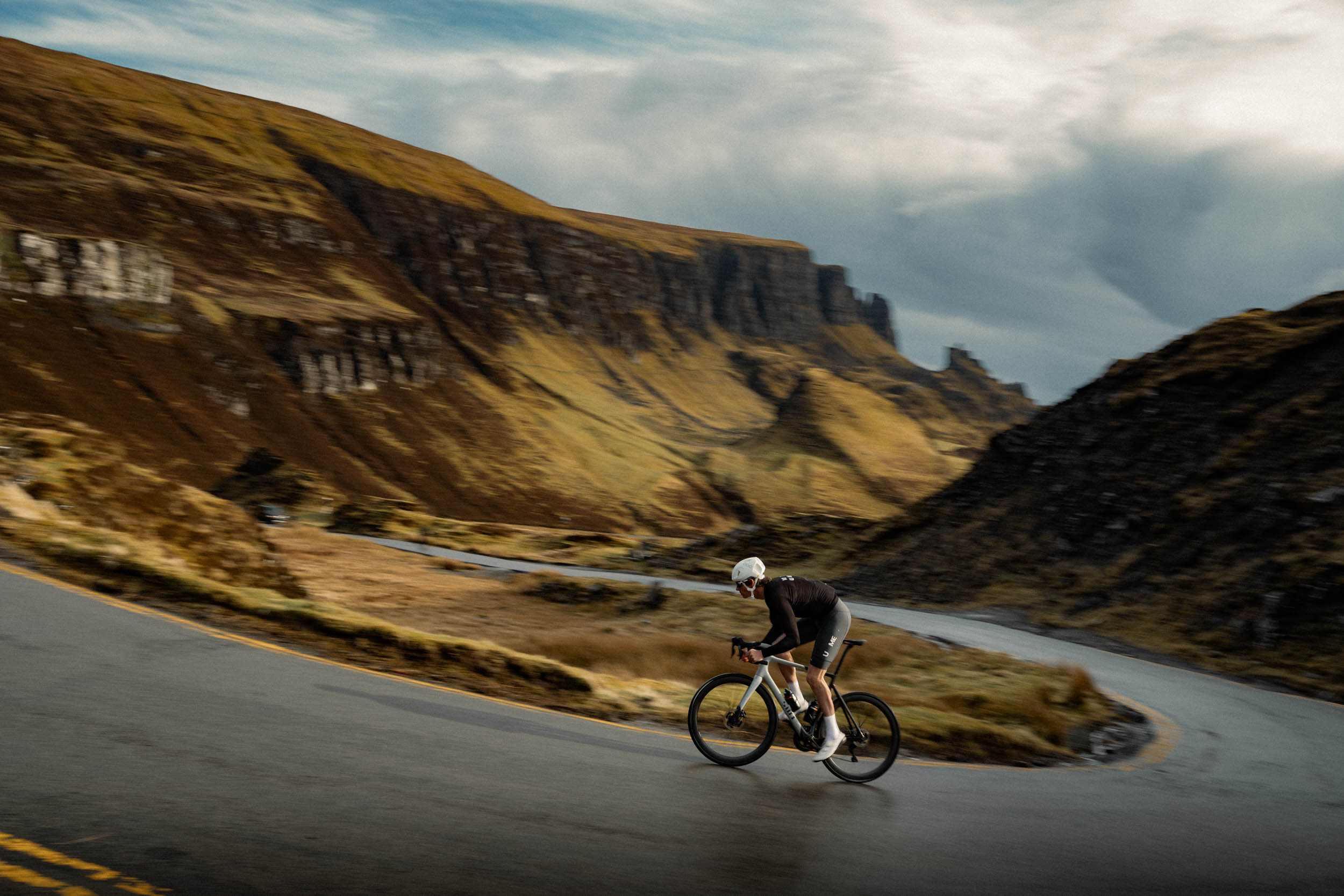
Cycling photography has a look. Spend enough time in the industry and you will see the patterns. Riders disappearing into mountain switchbacks. Motion blur. Wide-angle hero shots. Beautiful imagery, certainly, but often predictable.
I wanted something different. That is what led me to the photographer Tom Kahler.
Tom is best known for his work in the automotive world, creating campaigns and launch imagery for some of the most desirable cars on the planet. What attracted me to his work was not the subject matter, but the way he captures motion.
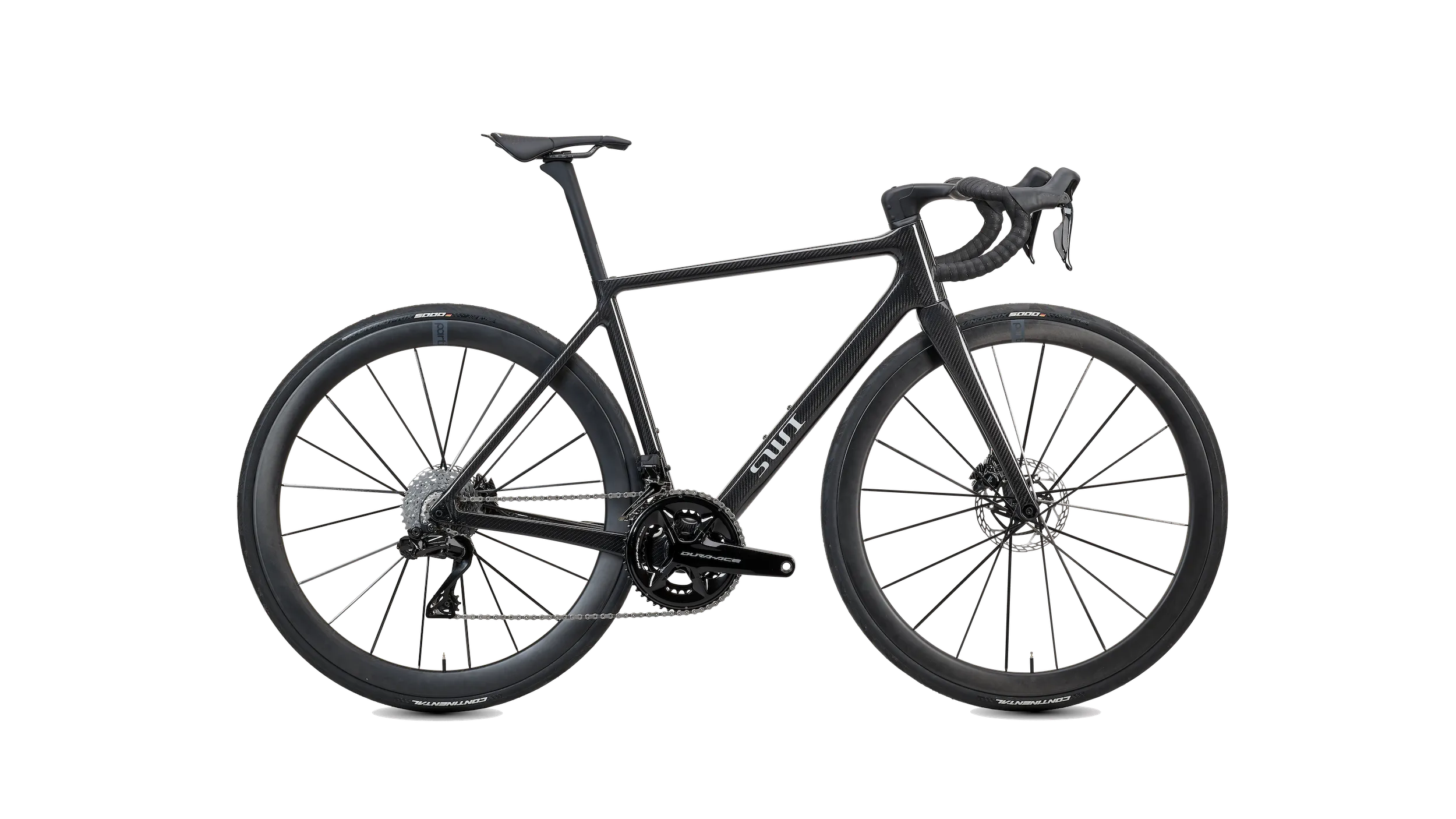
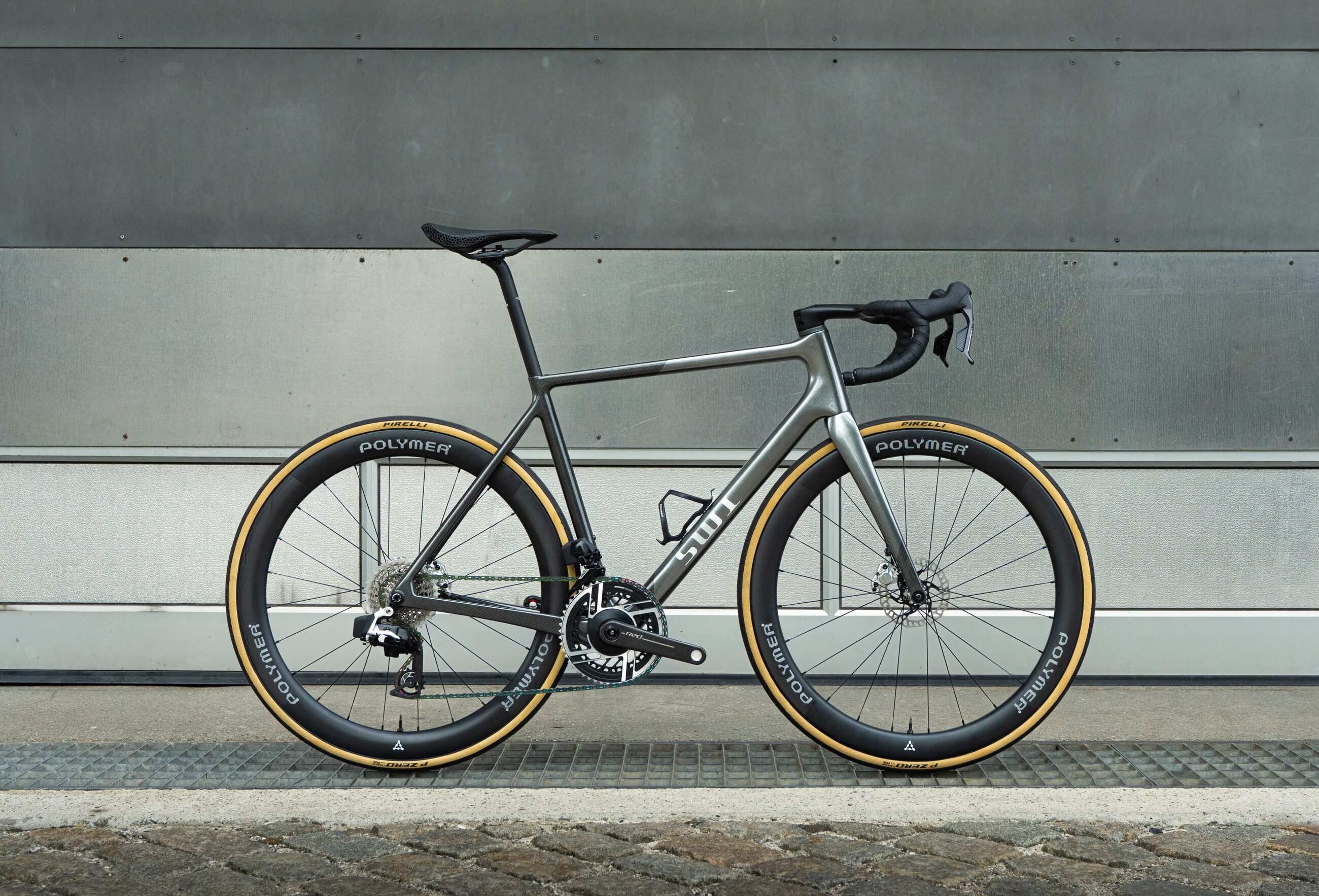
“I wanted the rider and bike to remain sharp,” I explained to him during the trip. “I wanted people to see the details. The craftsmanship. The paint. But I still wanted to feel speed.”
Tom understood immediately, because the same challenge exists in automotive photography. How do you create a sense of movement without losing the subject? How do you make someone feel speed in a still image? It is something he has spent years refining.
It started with a bicycle
Ironically, before cars ever entered the picture, cycling was where it all started. When I asked him how he got into photography, his answer caught me off guard.
“I actually started photography when I was cycling,” he told me. “I got into mountain biking when I was about twelve or thirteen. We would spend loads of time building trails in the woods and riding bikes. Then I got my first camera when I was fourteen, and the obvious thing to photograph was cycling.”
It felt strangely fitting. Here we were, standing in the Scottish Highlands shooting bicycles, and the photographer behind the camera had started his creative journey in exactly the same world.
Consistency, not a breakthrough
The conversation drifted towards how he eventually became one of the most respected automotive photographers in the UK. Most people expect there to be a breakthrough moment. A lucky introduction. A single campaign that changed everything.
Tom shook his head. “I never really had one standout moment where suddenly everything worked.”
Instead he described years of consistency. Borrowing press cars when he could. Creating work before anyone paid him to create it. Treating every opportunity as though it was the biggest job he had ever received. “I always gave everything one hundred percent effort whenever I had the opportunity.”
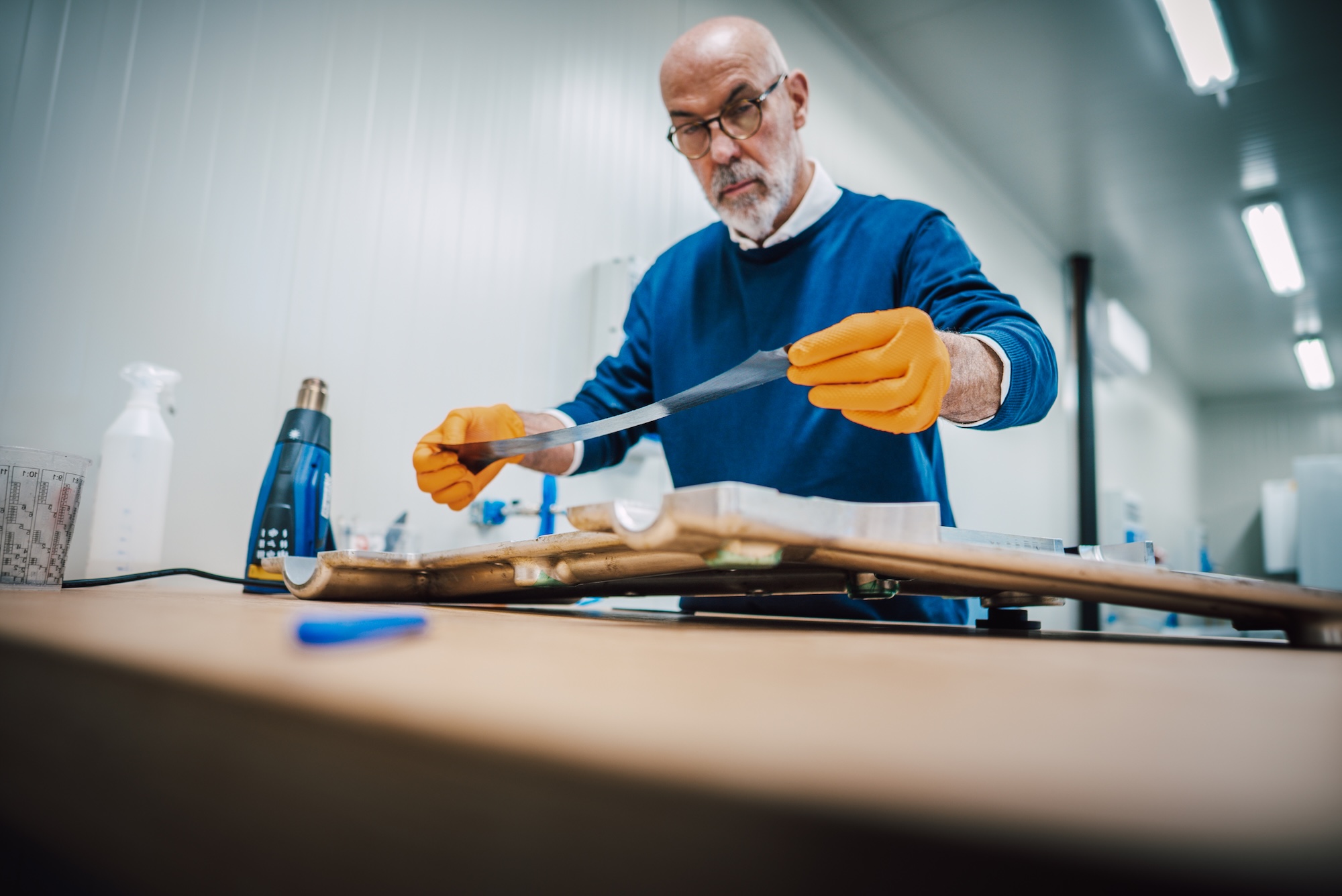
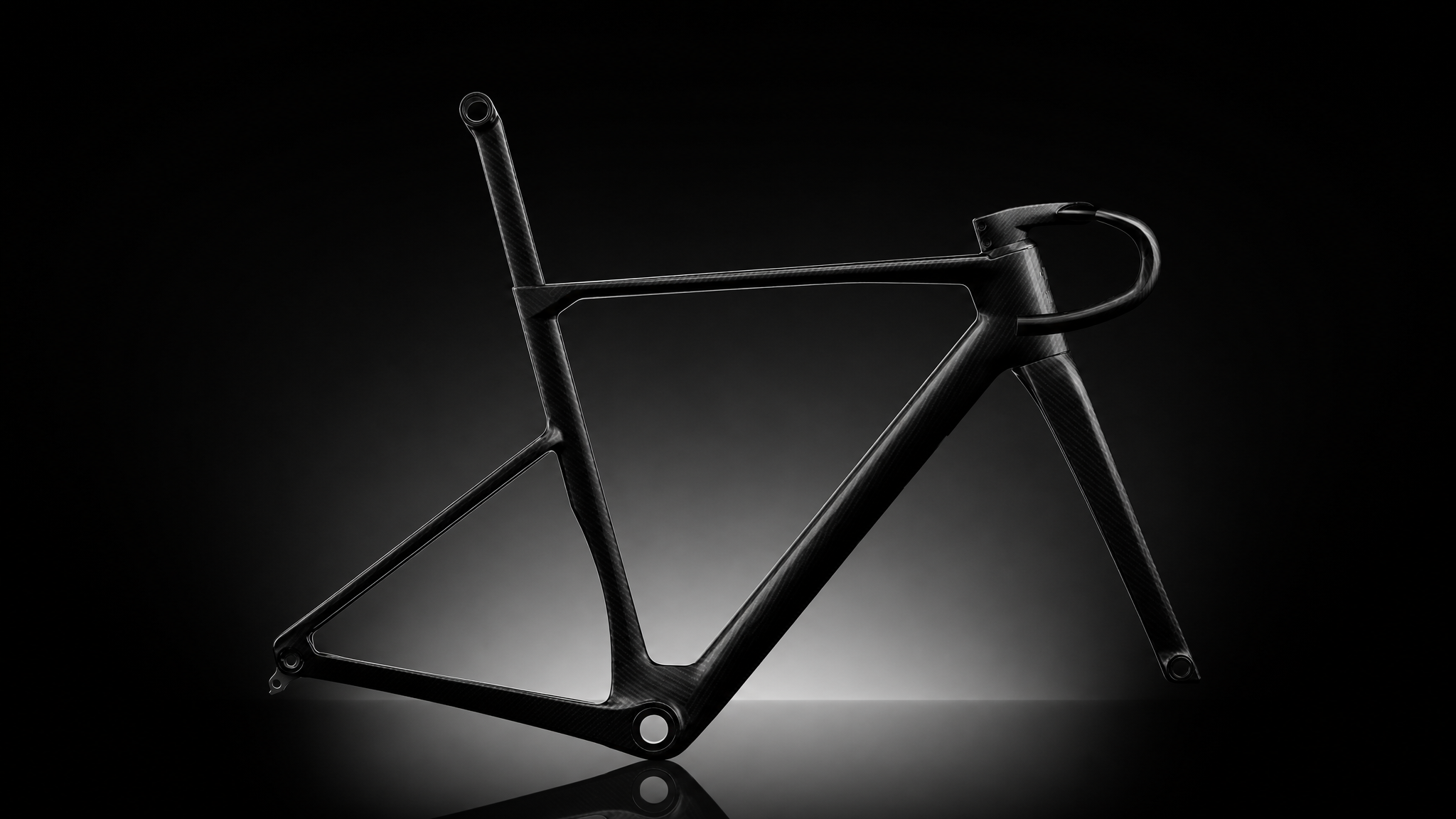
It is difficult not to appreciate that mindset. At SWI we often talk about the hundred-plus hours that go into building a frame. Not because it is a marketing line, but because excellence tends to be the accumulation of thousands of small decisions made consistently over time. Photography, it turns out, is not all that different.
Four seasons in an afternoon
The rest of the team could not have been a better fit either. The behind-the-scenes photographer Rob Perry documented the entire process, and as luck would have it, he and Tom had worked together before. The dynamic was immediate. No learning curve, no working out how each other operated. Everyone simply got on with it.
And Scotland gave us everything. Sunshine. Rain. Wind. Fog. All within the same afternoon.
There were moments when we would round a corner and the landscape would open up beneath us in a way that felt almost impossible. Roads carved into cliffs. Endless ribbons of tarmac disappearing into the distance. Light breaking through dark clouds for only a few seconds before vanishing again.
Those moments are what make Scotland special. The landscape does not sit still. You have to chase it.
What we actually captured
Looking back now, what I am most proud of is not a particular image. It is that we captured a feeling.
The feeling of riding through a place that reminds you how small you are. The feeling of momentum. The feeling of exploration. The feeling that there is always another road around the corner worth discovering.
For a brand built on craftsmanship, individuality and the pursuit of something extraordinary, there may not have been a better backdrop than Scotland. And for a few days, with a British photographer, a British rider and some of the most dramatic roads in Europe, it felt like we were exactly where we were supposed to be.
%2520on%2520SWI_%2520The%2520Italian%2520Paradox_%2520Aura%252C%2520Heritage%25E2%2580%25A6%2520and%2520sometimes%2520Utter%2520Chaos.jpeg)