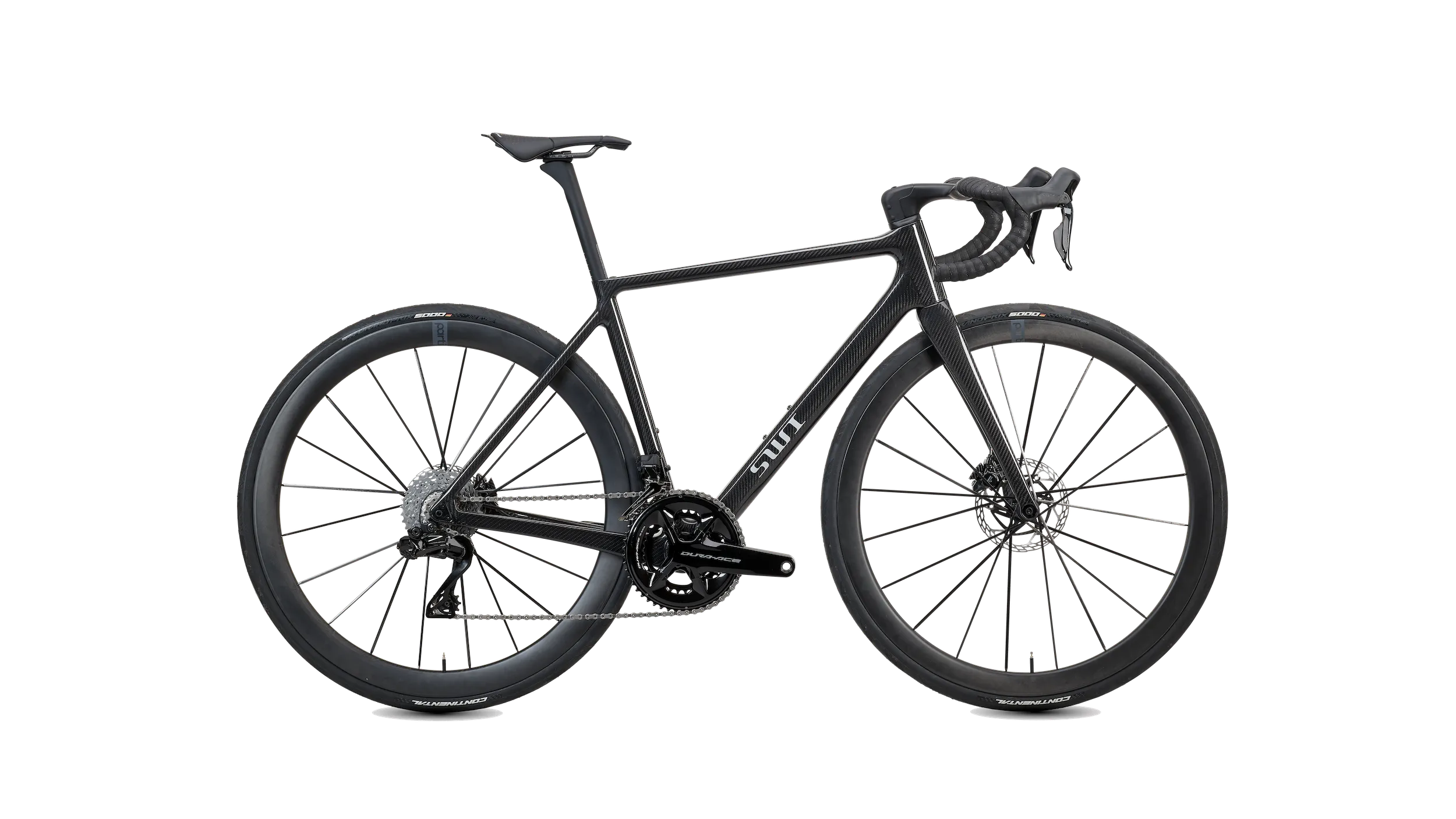
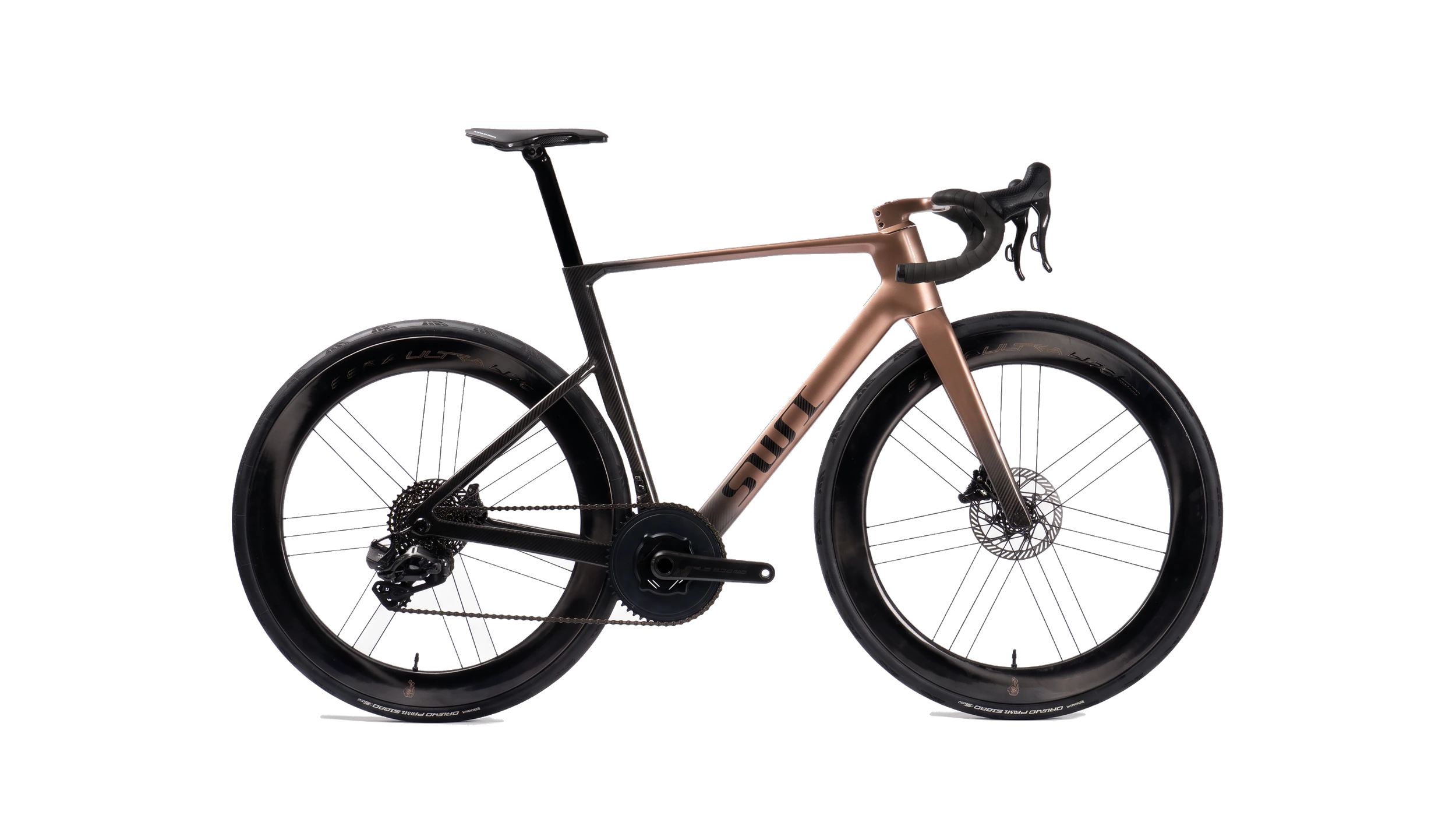


Click the image to magnify

Monocoque & Carbon
The AER made its first public appearance at Rouleur Live. It arrived as a moulded frame rather than a render, with a 30-bike Campagnolo edition alongside it.
For most of 2026 the AER existed as a drawing, a 3D-printed frame and a set of wind-tunnel numbers. At Rouleur Live in November it became something you could stand next to.
What went on the stand was the frame as it is now: laid up in carbon and out of the production mould, not the printed prototype that went to Silverstone. It was the first time a moulded AER had left our workshop in Villafranca Padovana.
For a brand like ours, a show floor does something a press release cannot. A monocoque frame is easy to claim and hard to prove in a photograph. In person, you can run a hand along the shell and find no joint, because there isn't one.

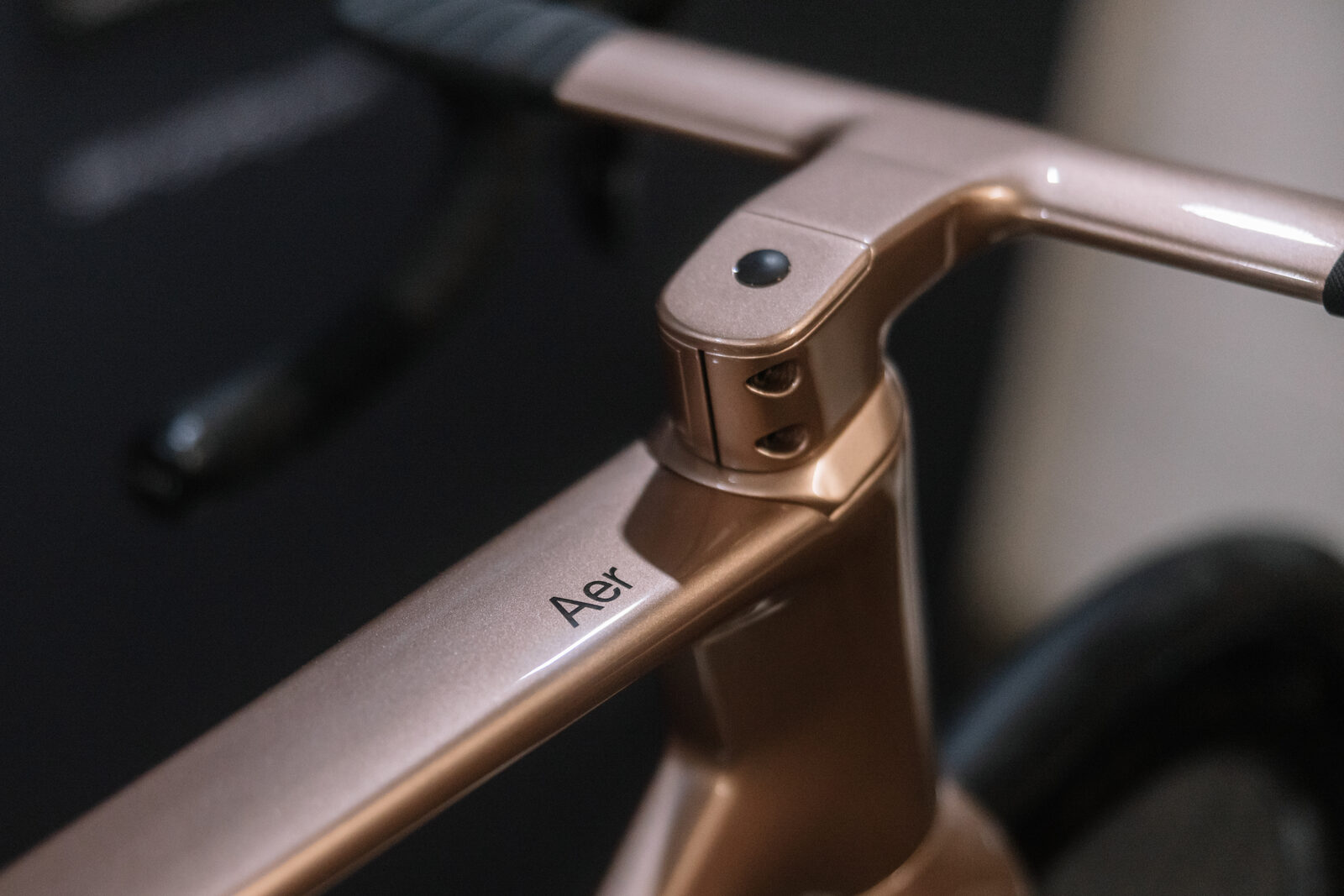

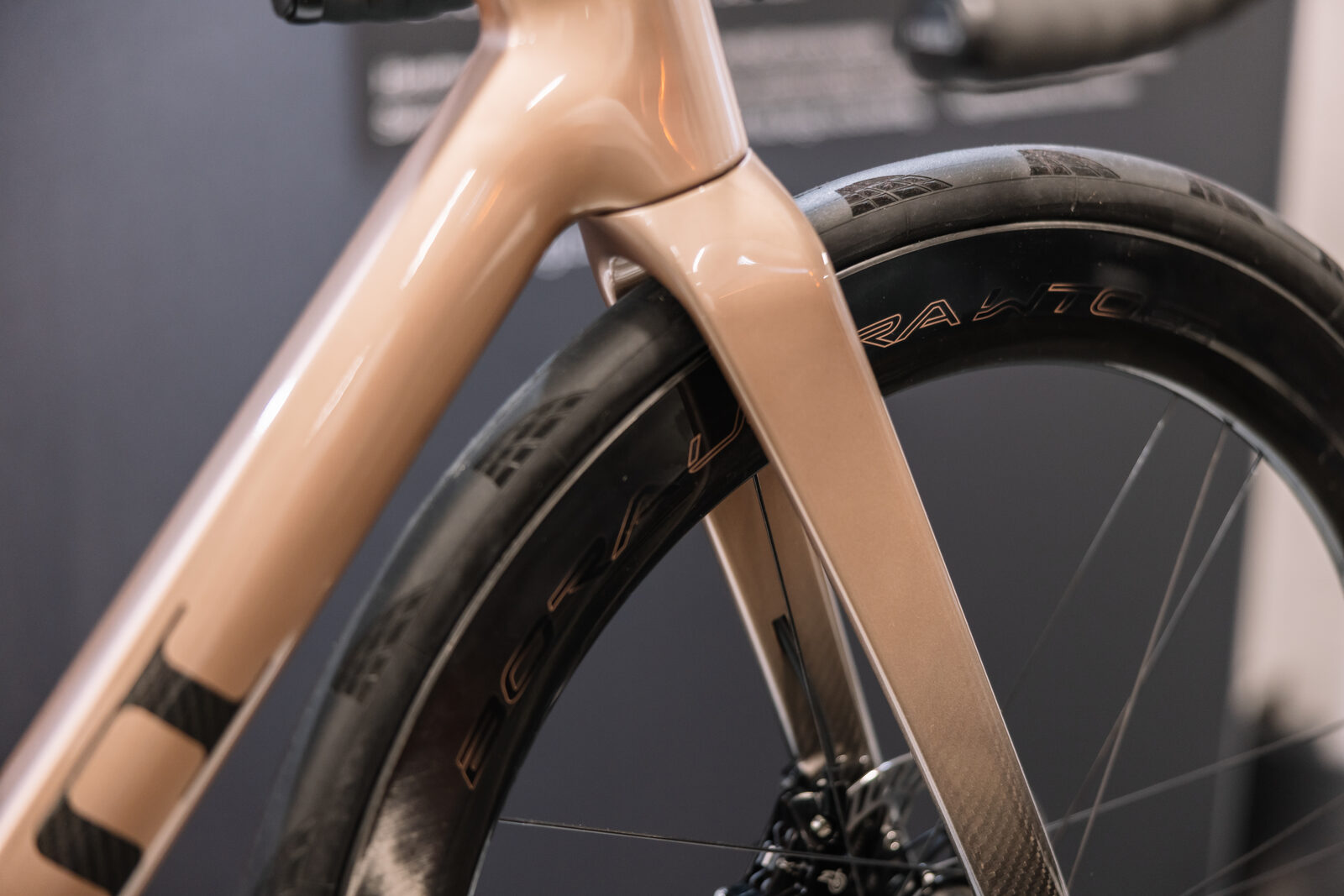


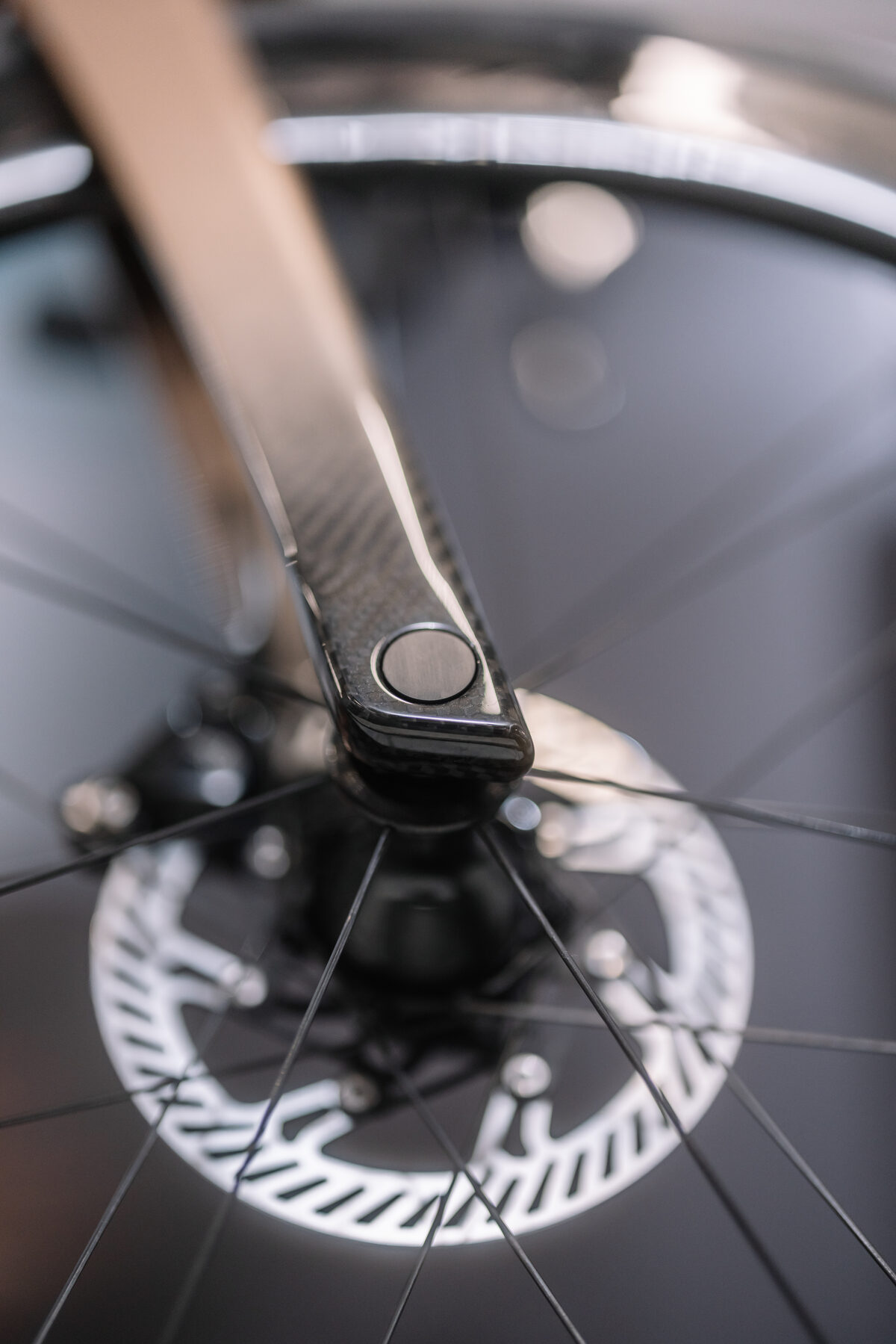


The first moulded AER at Rouleur Live, photographed by Rob Perry, then in the studio. Scroll for the full set.
Most carbon frames sold as monocoque are moulded in sections and bonded together. The AER is not. Like every SWI, it leaves a single mould as one uninterrupted shell, from head tube to dropout. How that construction works, and why it changes the ride.
That choice makes an aero frame harder to build. Aero tubes are deep and narrow, with tight radii where they meet. Getting carbon to compact evenly into those corners is harder in one mould than in separate pieces joined afterwards.
We built it in one piece anyway, because the joint is the part we wanted to leave out.
The brief stayed narrow. The AER is for riders whose roads roll and flatten out, and who still want a bike that climbs. It holds a classic silhouette and carries as much aerodynamic thinking as that silhouette will take. We were not willing to trade the structure for the shape, or to build something that looks dated in five years.
In September the printed prototype went to the Silverstone Sports Engineering Hub. It ran against a production Aequus across five yaw angles, with the same wheelset on every run, so the frame was the only thing that changed.
Head-on, the AER was 6.8% ahead. By 20° of yaw the gap had grown to 18.6%. Across the whole sweep the AER's drag moved by 2.6%, while the Aequus moved by 10.5%, most of it beyond 15°.
The useful finding is how little the AER changes. On the road the wind rarely comes from dead ahead, and as the angle grows the AER barely notices.
One caveat, and it matters. Stage 1 measured a printed prototype with no rider on it. A rider is most of a bicycle's drag, so these figures describe the frame and not the system. They are not a watts-saved claim. The numbers for the bike as it is ridden will come from Stage 2: a moulded frame, with a rider, against a known reference bike.
To mark the launch, SWI is building a Campagnolo special edition of the AER, limited to 30 individually numbered bicycles. Each is finished in a bespoke bronze with matching Campagnolo decals and detailing, and built with Super Record and Bora Ultra wheels.
The bronze is not part of any SWI catalogue. It exists for these thirty bikes and no others.
Campagnolo's home in Vicenza is 25 minutes from our workshop. The groupset on this bike is made down the road from the frame it is fitted to, by a company that has been making components there since 1933.

Two of the people covering the show stopped at the stand, and both put it on film. Each link opens their video at the point where SWI comes up.
Production tooling is complete, and the first moulded frames are in ISO 4210 safety testing. Stage 2 in the wind tunnel and rider testing on real roads follow, and each stage has to pass before the next one starts.
Pre-orders are open, with first deliveries planned from 1 February 2027. The AER comes in seven sizes, and four have been measured and published so far.
Register your interest on the AER page and you will hear from us first: when testing concludes, and when your build slot is confirmed.
Rouleur Live photographs by Rob Perry.
Build yours
Every SWI frame is formed as a single uninterrupted carbon shell and laid up for one rider's weight, power and preferred ride feel. Framesets from €6,990.
More from the Journal
Monocoque & Carbon
The AER made its first public appearance at Rouleur Live. It arrived as a moulded frame rather than a render, with a 30-bike Campagnolo edition alongside it.
Read the storyswi-aer-monocoque-aero-road-bike
Custom Builds
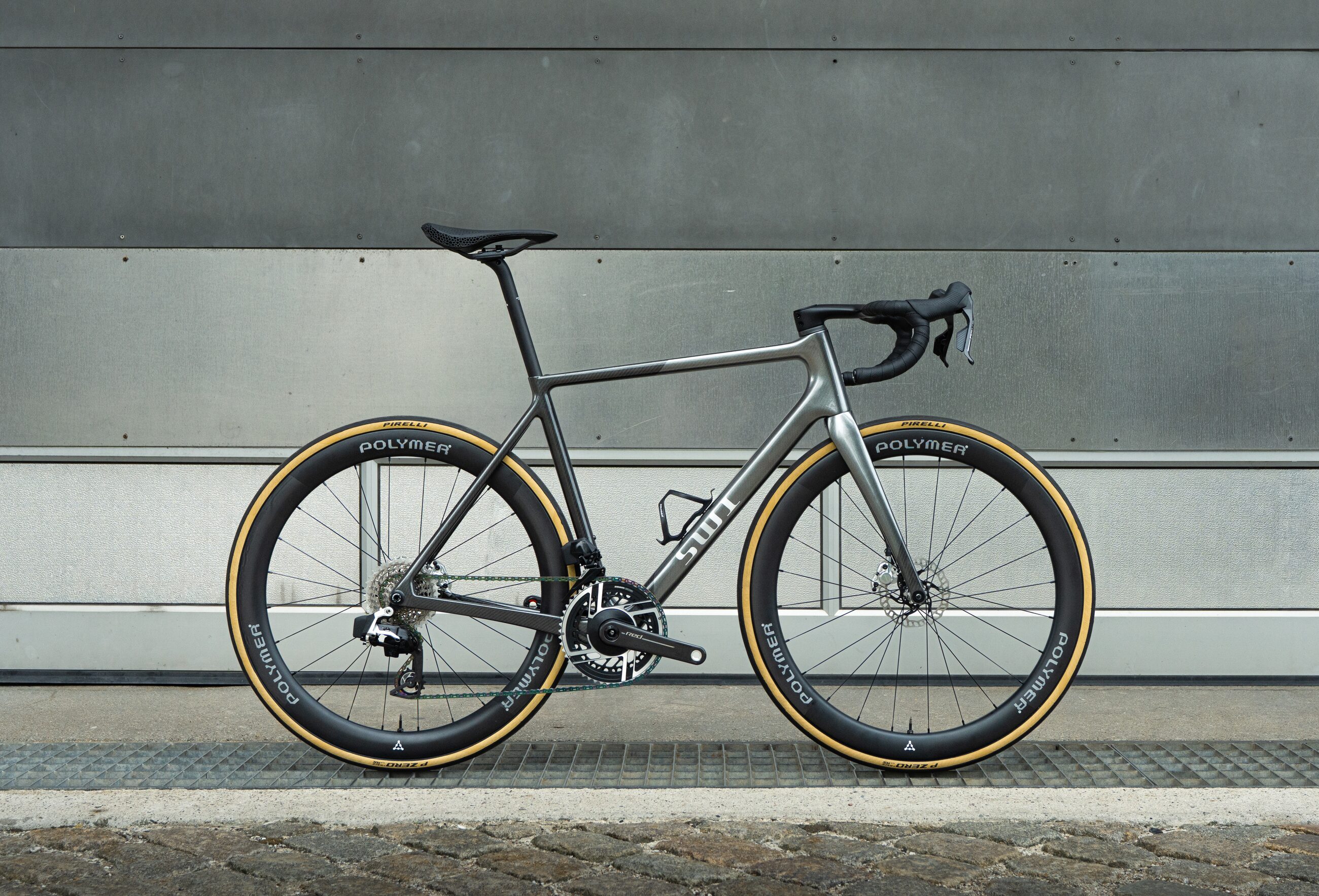
The component studio behind the Rover bar and the Obelisk post built an Aequus around their own parts, then photographed it as an object. It is the clearest look yet at what a continuous carbon shell does to a bicycle's lines.
Read the storypolymer-workshop-machine-portrait-aequus
Custom Builds
Rosedale Chimney Bank is a 1.3km wall that spikes to 30%. This is the build story behind the Leve that took its segment record.
Read the storybuilding-andrew-feather-s-swi-leve-hill-climb-bike

Italian Craft
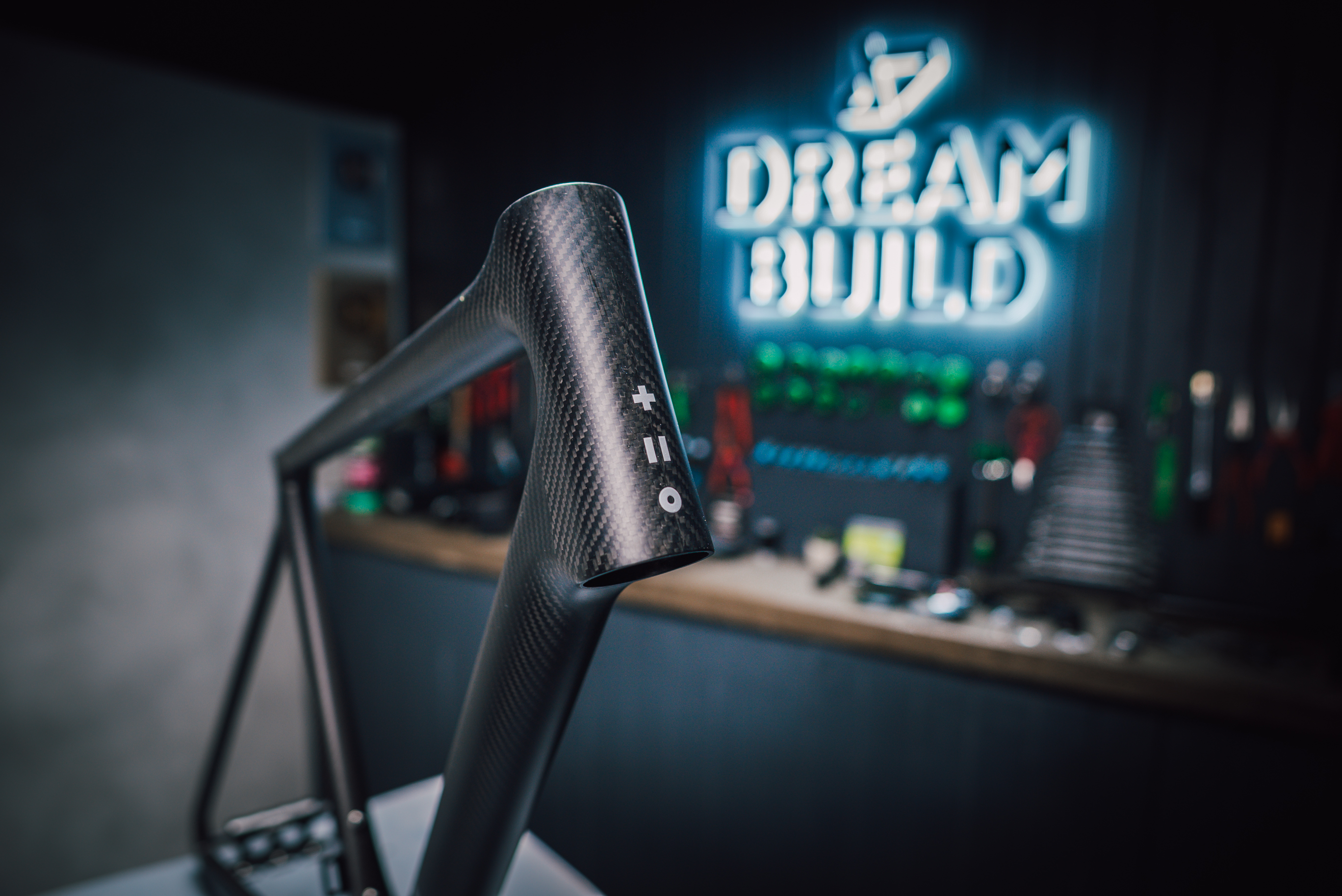
A builder who has filmed hundreds of frames walks into the SWI workshop, and says what most brands would rather he did not.
Read the storydream-build-on-swi

Italian Craft
How a 24-karat gold Serpent became more than a showpiece, and what happens when performance engineering starts speaking the language of art.
Read the storyswi-at-tokyo-fashion-week
Riding & Routes
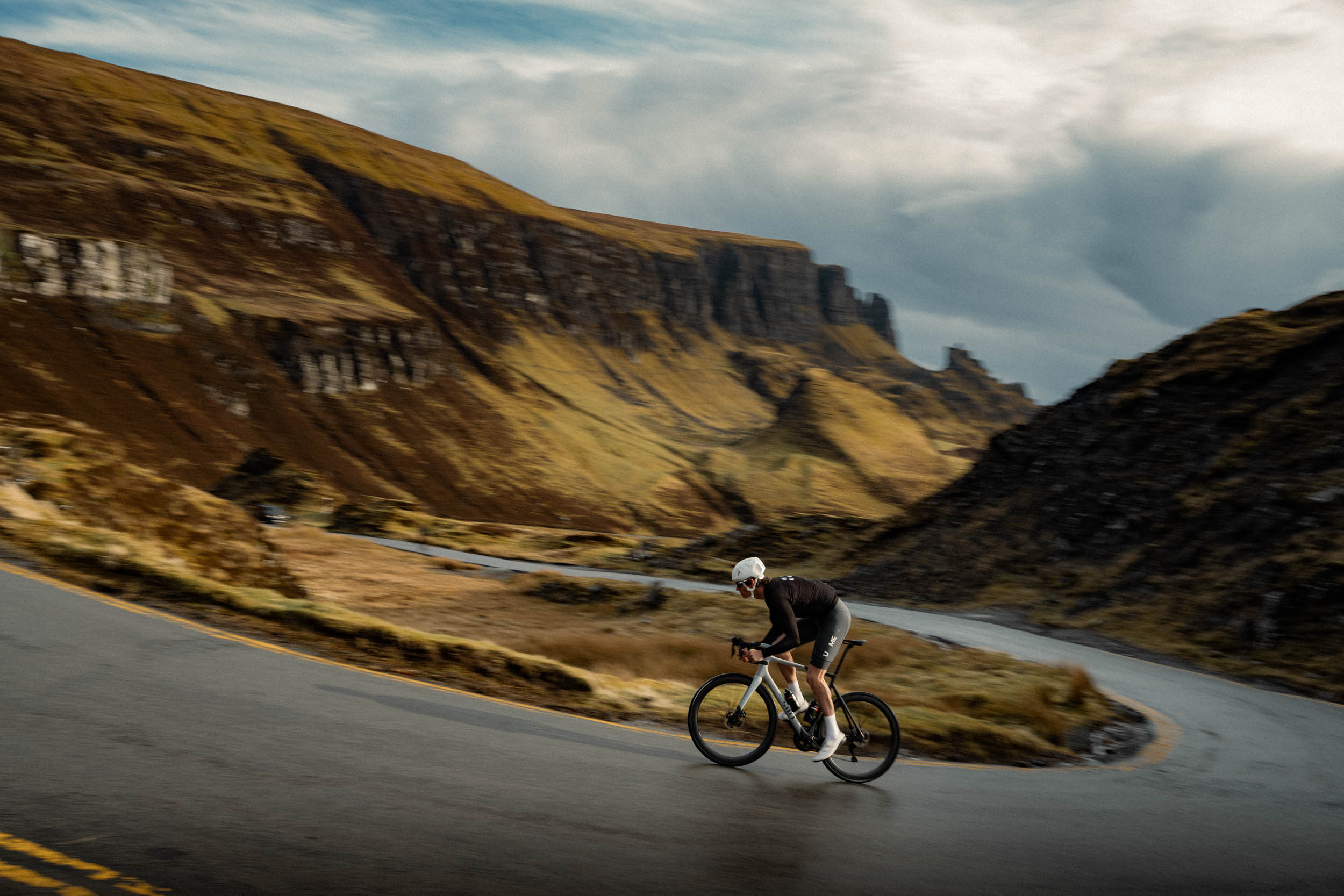
A growing UK audience, a world-class British photographer, and one of the most dramatic cycling landscapes on earth.
Read the storychasing-light-in-scotland-with-tom-kahler
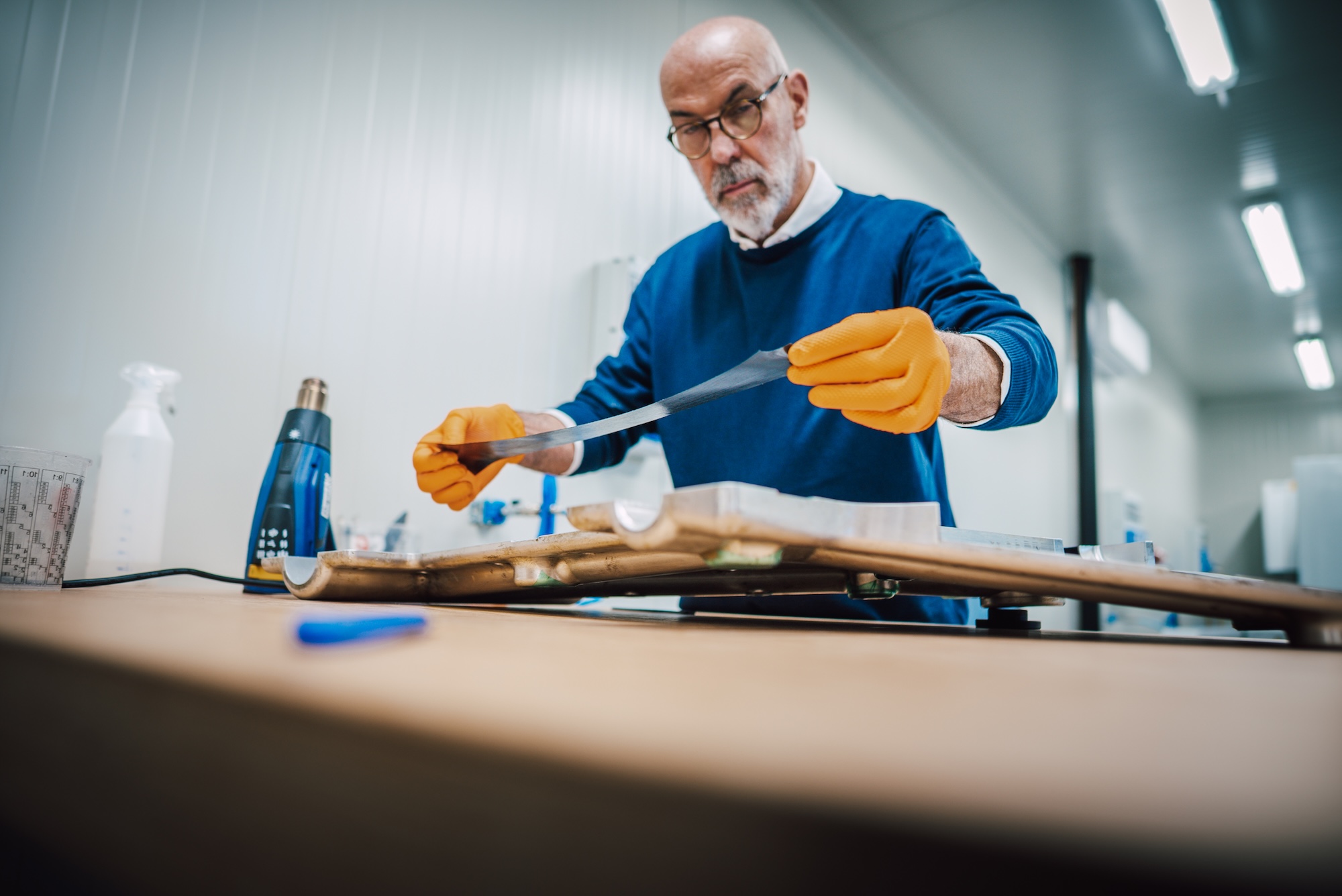
Monocoque & Carbon
If you have ever been told that monocoque is faster, you have probably also been left with the only question that matters: faster how, exactly?
Read the storythe-benefits-of-a-true-monocoque-frame
As Featured In




Tell us a little about yourself. We reply personally within 24 hours, with no automated replies.
Something went wrong. Please try again.
Your details are kept private and never shared with third parties.
Tell us a little about yourself. We reply personally within 24 hours, with no automated replies.